Happy Easter Faux Embroidery Jean Patch
First Impression: Festive, Rustic, and Instantly Recognizable
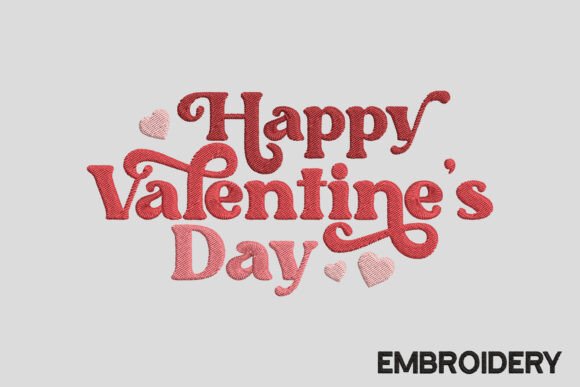
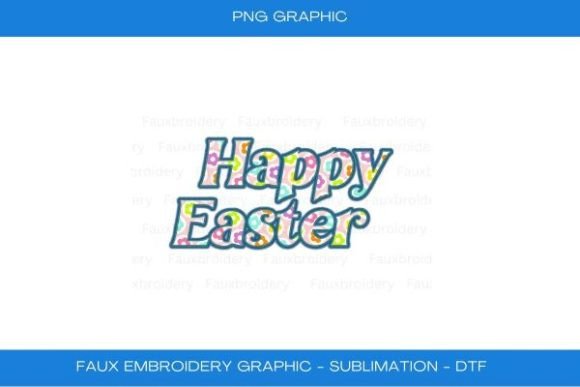
As an embroidery designer who’s prepped over 200 craft fair booths—and watched thousands of shoppers pause at a single stitch—I’ll tell you straight: Happy Easter Faux Embroidery Jean Patch lands with cheerful, grounded energy. It’s not dainty or overly cutesy; it’s warm, slightly textured, and carries that beloved “faux denim” visual weight—like a hand-stitched sign hanging in a farmhouse kitchen. The “Happy Easter” word graphic feels intentional, not generic. It reads quickly, works well at arm’s length, and avoids the cluttered look that kills impulse buys at busy markets. That’s gold for craft fair sellers.
Where It Shines: Real-World Product Pairings
This design thrives where handmade charm meets everyday utility. On a natural canvas tote bag? Absolutely—it anchors the front panel without overwhelming. As apron embroidery above the pocket? Yes, especially on medium-weight cotton twill or linen-blend aprons where the faux jean texture echoes the fabric’s character. For tea towel embroidery? Use it centered on the hem or corner—it adds personality without competing with functional folds or drying surfaces.
As an embroidered patch? Brilliant. Stitch it onto denim jackets, canvas market bags, or even reversible pillow covers for Easter-themed gifting. Its clean outline and balanced letter spacing hold up beautifully when cut and heat-applied—or sewn by hand. And because it was created for sublimation, Etsy sellers can layer it into printable mockups with confidence: soft shadows, realistic fabric drape, and crisp contrast translate well across digital listings.
Selling Strengths: Clarity, Consistency, and Booth Impact
At a crowded craft fair, your display has seconds to communicate value. Happy Easter Faux Embroidery Jean Patch delivers that instantly. It’s legible from six feet away—even on a small 3" x 4" patch sample pinned to a corkboard. No squinting. No decoding. Just friendly, seasonal warmth.
It scales gracefully: as a 2" accent on a keychain pouch, it feels thoughtful and detailed; blown up to 5" on a pillow cover, it remains balanced—not stretched, not pixelated (assuming proper vector or high-res source). That versatility means one design asset supports multiple product tiers: low-cost add-ons (patches, tags), mid-range bestsellers (totes, aprons), and premium gifting (pillow covers, limited-edition tea towels).
For boutique makers and small shop owners, this design reinforces handmade quality—not because it looks “complicated,” but because it looks *considered*. The faux jean treatment implies texture, depth, and intentionality. Customers associate that with care, which lifts perceived value and justifies pricing above mass-produced alternatives.
Production Reality Check: What to Watch Before You Hoop
Don’t skip the test run. Even a “faux” embroidery graphic can hide production pitfalls:
- Dense stitch areas: If the denim texture includes tight fill stitches or simulated stitching lines, confirm thread flow and bobbin tension—especially on thicker fabrics like duck canvas or quilted pouch linings.
- Small lettering: “Easter” may contain fine serifs or thin strokes. At under 2.5", those can blur on textured towels or curved cap surfaces. Always verify readability on your target substrate.
- Fabric texture matters: A heavily napped tea towel or slubbed linen will mute fine detail. Opt for simplified versions—or increase stitch density slightly—to preserve definition.
- Dark fabric contrast: Since this is a “faux jean” graphic, it likely relies on tonal variation rather than bold color contrast. Test thread colors against navy, charcoal, or black bases—cream or light tan threads may disappear.
Designer Notes You Can’t Skip
Before batch-producing your craft fair inventory:
- Run a test on scrap fabric—same weight, weave, and dye lot as your final goods.
- Check thread contrast in natural light *and* under booth lighting (LEDs often wash out subtle tones).
- Review spacing between letters and outer edges—tight margins cause trimming errors during patch cutting.
- Confirm hoop size compatibility. If your machine requires a 4" x 4" hoop minimum, ensure the design fits comfortably within that boundary with breathing room.
- Match stabilizer to application: tear-away for stable wovens (totes, aprons), cut-away for knits or stretchy blends (if adapting to t-shirts).
- Create at least one real mockup—not digital only. Photograph it in context: pinned to a basket, tucked in a gift box, held beside spring flowers.
- Compare how it reads across fabric colors. A design that pops on ecru may vanish on oatmeal or heather gray.
- Verify commercial licensing status. Since this is labeled a Graphics product in the Crafts category, confirm whether resale of finished products is permitted before listing on Etsy or wholesale platforms.
Final Thought: A Reliable, Repeatable Craft Fair Workhorse
Happy Easter Faux Embroidery Jean Patch isn’t flashy—but it’s dependable. It doesn’t shout; it invites. It fits seamlessly into spring collections without demanding shelf space or explanation. For embroidery business owners juggling dozens of designs, this one earns its spot because it converts: customers see it, recognize the holiday + handmade combo, and connect it to something they already own—or want to give.
Pair it with neutral-toned textiles, simple packaging, and a handwritten tag (“Hand-embroidered in [Your Town]”), and you’ve got more than a craft fair product—you’ve got a story people take home. That’s how small shop products become loyal customers. And that’s why this design belongs in your Easter lineup.