Billigant Number Embroidery Design
A Seasonal Designer’s First Look: Clean, Versatile, and Gift-Ready
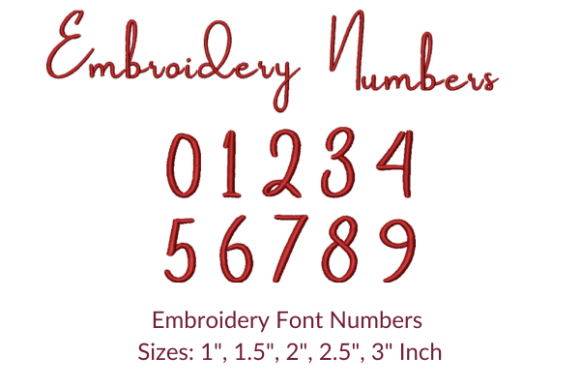
As an embroidery designer who builds holiday collections for Etsy sellers, craft fairs, and small-batch apparel brands, my first impression of the Billigant Number Embroidery Design is immediate and practical: it reads as warm, intentional, and quietly festive—without leaning into cliché. It doesn’t shout “Christmas” or “Easter” outright, but it carries that soft, timeless elegance that works across seasons: think cozy fall sweater numbers, minimalist New Year’s date tags, delicate baby milestone markers, or elegant monogrammed kitchen towels for Thanksgiving hosting. The line weight is balanced—not too thin to disappear on textured fabric, not so bold it overwhelms delicate items like pillow covers or embroidered patches. It feels premium without being fussy, making it ideal for handmade gift makers who want perceived value without complex digitizing.
Where It Shines in Real Holiday Product Building
In my seasonal shop planning, the Billigant Number Embroidery Design fits seamlessly into high-demand categories. On sweatshirt embroidery, it anchors family matching sets—think “2024”, “Est. 2023”, or sibling birth years—without competing with graphic motifs. For tote bag design, it adds subtle personalization to reusable shopping bags sold as eco-friendly holiday gifts. Kitchen towel embroidery benefits especially: a clean number (like “365” or “12”) stitched in matte cotton thread gives artisanal charm to hostess gifts. Pillow cover and table linen applications feel grounded and intentional—ideal for curated holiday home decor bundles. And because it’s a true embroidery font—not just a decorative motif—it scales beautifully for ornaments and baby items, where clarity and legibility matter more than ornamentation.
From an Etsy seller’s perspective, this machine embroidery design boosts listing appeal. Customers searching for “personalized gift” or “seasonal embroidery” respond well to clean numerals—they imply customization without requiring custom lettering. I’ve used similar fonts in social media previews and printable mockups, and they translate crisply across platforms: Instagram carousels, Pinterest pins, and even printed product tags at craft fairs. The emotional tone supports trust—shoppers associate refined numeral styling with attention to detail, which elevates perceived brand consistency and product value during high-intent holiday shopping periods.
Strategic Use: Where to Lean In—and Where to Pause
That said, thoughtful execution matters. The Billigant Number Embroidery Design performs best when matched intentionally to fabric texture and end use. On thick towels or heavy canvas, confirm stitch density isn’t overly compact—dense fills can pucker or flatten on high-loft surfaces. With dark fabric, test thread colors thoroughly: matte black or charcoal gray often reads richer than pure black; cream or oatmeal tones add warmth on navy or burgundy. Metallic thread? Proceed with caution—this design’s clean lines benefit from subtlety, and metallics may obscure fine transitions in smaller sizes.
For stretchy garments (like ribbed knit onesies or lightweight sweatshirts), pair with cutaway stabilizer and reduce top tension slightly—numbers need crisp edges, and stretch can blur definition. Curved caps and tiny hoop sizes demand extra care: verify that the smallest intended size still maintains legibility after stitching. If your plan includes repeated washing—think baby bibs, aprons, or kids’ lunch totes—run a wash-and-dry test on a sample before bulk production. And always check commercial licensing before selling finished seasonal products; as a digital embroidery file, its use in resale items must align with the creator’s terms.
Design Notes Every Seasonal Seller Should Keep Handy
- Test thread colors on both light and dark fabric—especially for holiday palettes (crimson, forest green, slate blue, warm ivory).
- Confirm hoop size compatibility before building product mockups—some seasonal items (like narrow apron straps or ornament backings) limit available space.
- Match stabilizer to fabric weight and stitch density: tear-away for stable wovens, cutaway for knits and towels.
- Create realistic mockups using actual garment photos—not just flat templates—to assess visual recognition at shelf or online scale.
- Review small details post-stitch: check corners, serifs (if present), and spacing between numerals—especially when stitching dates or multi-digit sequences.
- Plan cohesive color palettes across your seasonal collection: let the Billigant Number Embroidery Design anchor neutral tones while supporting bolder accents elsewhere.
Why This Embroidery Font Builds Trust—and Sales—During Peak Season
Holiday shoppers don’t just buy products—they buy meaning, memory, and moment. A well-placed number on a handmade gift signals intention: “This was made for *you*, for *this* year, for *this* celebration.” The Billigant Number Embroidery Design supports that narrative without distraction. Its versatility strengthens brand consistency across product lines—whether you’re launching a limited edition apparel drop or bundling embroidered patches with printable greeting cards. Because it’s part of the Embroidery Fonts category, it invites repeat use across collections, reducing design fatigue for small shop owners managing multiple holidays.
Most importantly, it enhances giftability. Numbers are inherently meaningful: anniversaries, birthdays, baby’s first year, graduation years, family founding dates. When stitched cleanly and thoughtfully, they transform ordinary items—tote bags, kitchen towels, pillow covers—into keepsakes. That emotional resonance translates directly to engagement: higher click-through on Etsy listings, stronger shares on social media, and better conversion on gift-focused landing pages. As a professional embroidery designer, I reach for fonts like this not just for aesthetics—but for their quiet power to connect product to person, season to story.
Final Thought: A Reliable Anchor for Your Seasonal Workflow
The Billigant Number Embroidery Design isn’t flashy—but it’s dependable. In a market flooded with overdesigned holiday embroidery, its clarity, adaptability, and understated charm make it a strategic asset. Whether you’re a craft fair vendor prepping 50 personalized ornaments or an Etsy seller scaling a winter collection of embroidered apparel, this embroidery file delivers consistent results across fabric types, hoop constraints, and customer expectations. Treat it with intention—test, stabilize, mock up, and match—and it will quietly elevate every seasonal embroidery project you build.