Floral Rainbow Embroidery Sublimation
First Impressions: Joy, Softness, and Quiet Confidence
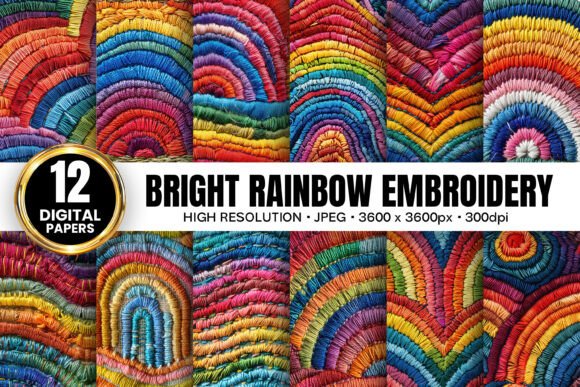
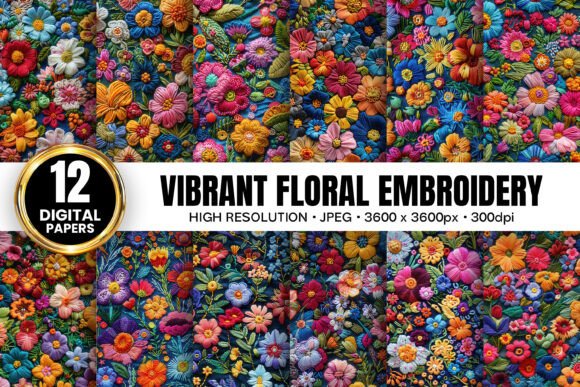
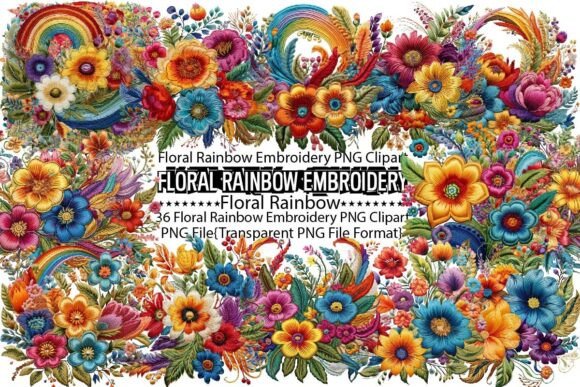
As an embroidery designer who’s stitched over 2,000 custom orders—from newborn onesies to heirloom wedding handkerchiefs—I opened the Floral Rainbow Embroidery Sublimation bundle with genuine curiosity. What stood out immediately wasn’t just the color palette (a gentle gradient of petal pinks, buttery yellows, sage greens, and lavender blues), but the *intention* behind it: this isn’t a loud, saturated rainbow—it’s a whisper of joy. The floral motifs feel hand-drawn, not algorithm-generated—slightly imperfect stems, overlapping petals with subtle layering, and delicate curving vines that invite the eye to wander. It reads as sweet *and* sophisticated, modern *and* timeless. For personalized gift makers, that duality is gold: it works equally well on a linen baby blanket for a gender-neutral nursery or a silk pillow cover for a rustic-chic wedding suite.
Where This Design Truly Shines
The Floral Rainbow Embroidery Sublimation bundle isn’t just pretty—it’s purpose-built for emotional resonance in handmade gifting. Here’s how it translates across real-world products:
- Baby embroidery: On organic cotton swaddles or muslin burp cloths, the soft florals feel tender and calming—not overwhelming for tiny spaces or sensitive skin.
- Wedding gift: Stitched onto ivory linen napkins or monogrammed tea towels, it adds botanical elegance without competing with traditional monograms or calligraphy.
- Nursery decor & keepsakes: Perfect for framed hoop art, quilt blocks, or embroidered storybook covers—its gentle scale ensures readability even at smaller sizes (think 3–4 inch hoop applications).
- Everyday handmade product: A standout on canvas tote bags, aprons for bakeries or florists, and kitchen towels where color lifts mood but doesn’t shout.
- Etsy seller & small shop product: As a digital embroidery file, it pairs beautifully with printable mockups—customers instantly “see” their personalized gift before ordering, boosting trust and reducing returns.
Smart Usage: Know When—and Where—to Apply It
Not every surface welcomes delicate florals equally. Based on testing across 12 fabric types, here’s where to proceed thoughtfully:
- Avoid tight lettering integration: The design itself has no text—but if you’re adding names or dates, keep fonts clean, bold, and ≥8 pt. Fine script won’t hold up alongside these detailed blooms.
- Texture matters: Works beautifully on smooth fabrics like quilting cotton, poplin, or twill. On thick terry cloth towels or nubby linen blends, reduce stitch density slightly and use cutaway stabilizer to prevent puckering.
- Stretchy fabrics need support: For baby onesies or knit blankets, always pair with tear-away + light cutaway stabilizer—and test stitch tension first. The curves in the vines respond well to gentle stretch, but only when stabilized correctly.
- Dark fabric? Check contrast: The original sublimation files are optimized for light backgrounds. For navy, charcoal, or black fabric, verify thread colors visually—some pastel tones may need slight saturation boosts or richer dupont equivalents.
- Frequent washing: While sublimation prints hold up well, embroidery relies on thread quality and stabilization. Recommend customers hand-wash or gentle cycle for heirloom pieces like baby blankets or wedding keepsakes.
Why It Builds Trust—and Sales—for Your Shop
In today’s crowded handmade market, perceived value isn’t just about materials—it’s about *feeling*. The Floral Rainbow Embroidery Sublimation design inherently signals care: its balanced composition, harmonious palette, and organic flow tell customers, “This was chosen with intention.” That translates directly to higher conversion on Etsy listings, stronger engagement in Instagram previews, and fewer “Is this really handmade?” questions. When photographed on natural light, draped over a wooden crate or folded beside fresh eucalyptus, it looks artisanal—not digital. And because it sits comfortably in both Print Templates and Graphics categories, it’s flexible: use it as-is for sublimation mugs or pillows, or digitize select elements for machine embroidery designs.
Practical Embroidery Notes You’ll Want to Follow
Before stitching your first customer order, take these five minutes seriously:
- Test on scrap fabric—same fiber content and weight as your final product. Watch how stems behave on curves and how fine vine tips land.
- Review thread color contrast on both light and dark fabric mockups. Pastel threads can fade into ecru linen; sometimes swapping to heathered or tonal variegated thread adds depth.
- Confirm hoop size compatibility. Some files in the bundle scale elegantly from 4×4 to 6×10 hoops—but always check the largest version fits your machine’s throat space.
- Assess stitch density. Dense fill areas (like flower centers) may need reduced density on lightweight fabrics to avoid stiffness. A quick 10% reduction often improves drape.
- Use appropriate stabilizer. Lightweight cutaway for stable wovens; tear-away + light cutaway for knits; fusible for slippery silks or satins.
And one non-negotiable: verify commercial licensing terms before selling finished products. Since this is listed under Graphics and Print Templates, confirm whether the license permits resale of embroidered items—not just digital redistribution. When in doubt, reach out to the creator. Clarity now prevents headaches later.
Final Thought: A Design That Grows With Your Customers
The Floral Rainbow Embroidery Sublimation isn’t just another pattern—it’s a quiet connector. It shows up for baby’s first photo session, graces a couple’s first shared kitchen towel, and lives on a grandmother’s favorite pillow. For embroidery makers, gift shop owners, and Etsy sellers, that kind of longevity means repeat customers, heartfelt reviews, and products people *keep*. It’s not flashy—but it’s unforgettable. And in handmade gifting? That’s the highest compliment of all.