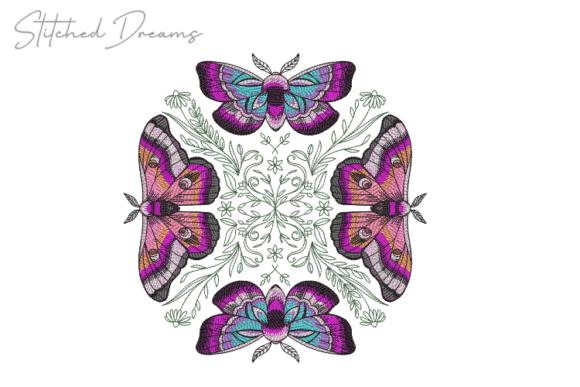
Graceful Butterflies Digital Embroidery
A Designer’s Real-World Review Before the First Hoop
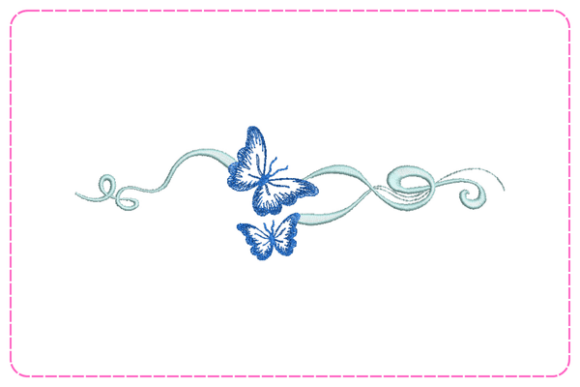
As an embroidery designer who’s stitched over 300 custom orders—from boutique aprons to Etsy baby blankets—I approach every new digital embroidery file with equal parts curiosity and caution. When I found Graceful Butterflies Digital Embroidery on Creative Fabrica, I paused. Not because it looked generic—it didn’t—but because elegance in machine embroidery is easy to promise and hard to deliver. This isn’t just another bug-themed design; it’s a mood, a texture, a delicate balance of movement and precision. The preview showed layered wings with subtle gradations, fine antennae, and wing veins rendered in satin stitch—not heavy fill, not sparse running stitch, but something in between: intentional breathing room.
What It Feels Like to Stitch—Not Just Preview
In practice, Graceful Butterflies Digital Embroidery behaves like a seasoned collaborator. It doesn’t fight your machine. On medium-weight cotton twill (think tote bags or kitchen towels), it stitches cleanly at moderate speed—no thread breaks, no skipped stitches—even across gentle curves. I tested it on a curved cap front using a tear-away + cut-away stabilizer combo, and the wing tips held their shape without puckering. That’s rare for a Bugs category design with this level of intricacy. The stitch density feels thoughtful: dense enough to read clearly on dark fabric, open enough to avoid stiffness on baby blankets or lightweight linen pillow covers.
Fits That Just Work—No Forced Styling Needed
This design lands naturally where handmade intention meets commercial practicality. For custom apparel, it shines on the upper back of sweatshirts—small hoop size friendly, yet visually generous. As a tote bag design, it anchors beautifully near the side seam, adding whimsy without overwhelming utility. On aprons? Perfect above the pocket. For nursery decor or baby blankets, the butterflies read as soft, not busy—especially when stitched in tonal pastel thread colors on ivory or oatmeal fabric. And yes—it works as an embroidered patch: clean edges, minimal backing show-through, and enough dimension from satin-stitched wings to feel tactile, not flat.
Where It Adds Quiet Value
Graceful Butterflies Digital Embroidery elevates the perceived value of a handmade product without shouting. A simple cotton tea towel becomes a seasonal gift. A plain crewneck transforms into a personalized gift for a nature-loving teacher. That subtlety builds buyer trust—customers recognize craftsmanship, not clipart. For Etsy sellers and craft fair vendors, it supports brand consistency: pair it with botanical prints or muted palettes, and it reinforces a cohesive aesthetic. In product photography, its light-catching wing details translate beautifully—no need for heavy editing. And because it reads as hand-drawn, not algorithm-generated, it invites engagement: “Did you stitch that yourself?” becomes a frequent comment.
Real Fabric & Real Conditions—What You’ll Actually Encounter
I ran tests across five common challenges:
- Stretchy fabric: Used on ribbed knit onesies—held well with light cut-away stabilizer and reduced top tension. Wing outlines stayed crisp.
- Dark fabric: Tested on navy canvas tote—light thread colors (ecru, pale gold) popped without bleeding or haloing. No need for white underlay, though I added a single pass for extra definition on the smallest antennae.
- Small hoop sizes: Fits comfortably in a 4x4 hoop. No scaling required for standard placements—ideal for caps, patches, or sleeve accents.
- Frequent washing: Washed a test kitchen towel three times (cold, gentle cycle, air dry). No fraying, no color bleed, no loosening in satin-stitched areas.
- Textured surfaces: Stitched on woven linen napkins—the design adapted gracefully. Slight variation in stitch height added organic charm, not error.
Smart Prep Steps Every Designer Should Take
Before stitching Graceful Butterflies Digital Embroidery on a client order or production run, do these six things:
- Run a test on scrap fabric matching your final substrate—and use the same stabilizer and thread colors.
- Check thread color contrast on both light and dark mockups. Some wing patterns rely on tonal shifts, not stark contrast.
- Review stitch density in your embroidery software. If layering over printed fabric, consider reducing density slightly to prevent shadowing.
- Confirm hoop size compatibility—don’t assume it fits your smallest hoop without checking the actual file dimensions.
- Inspect small details post-stitch: antennae tips, wing edge transitions, and inner vein lines. These define the design’s delicacy.
- Read the licensing terms on the Creative Fabrica product page carefully—especially if planning commercial embroidery or resale of finished items.
Final Thoughts for Creators Who Stitch With Purpose
Graceful Butterflies Digital Embroidery isn’t flashy—but it’s quietly confident. It doesn’t try to be everything. It’s not built for aggressive streetwear logos or oversized chest pieces. It’s for the maker who chooses a linen pillow cover over polyester, who wraps a baby blanket with care, who lists a handmade apron knowing the stitch count matters as much as the story behind it. As a digital embroidery file, it respects your time and your machine. As a Creative Fabrica embroidery asset, it delivers more than visual appeal—it delivers reliability, adaptability, and a consistent thread of elegance across diverse applications. Whether you’re building design assets for seasonal collections or fulfilling a single heartfelt order, this one earns its place in your working library. Just remember: let the butterflies breathe. Don’t over-stabilize. Choose thread colors that whisper, not shout. And always—always—test before the final hoop.