Love Valentine Embroidery Design
First Impression: Elegant, Timeless, and Booth-Ready
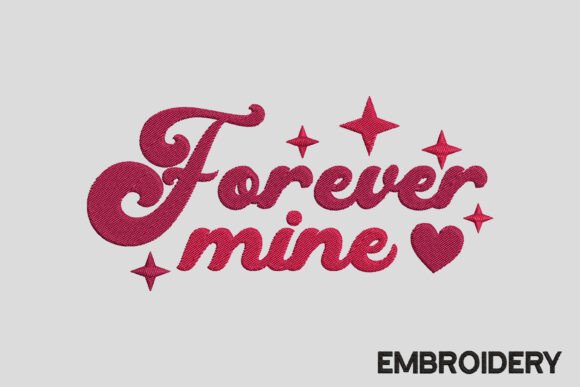
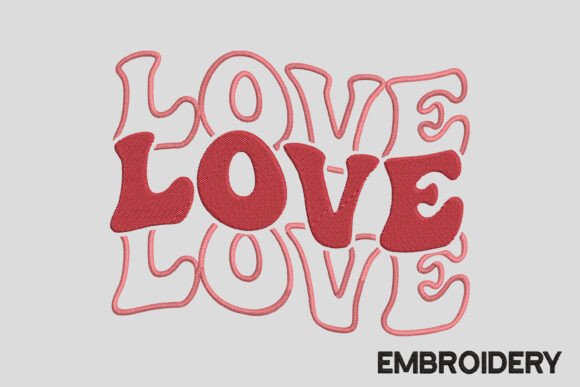
As an embroidery designer who’s prepped over 200 craft fairs—and shipped thousands of finished products to Etsy sellers and boutique makers—I opened Love Valentine Embroidery Design expecting something sweet but safe. Instead, I found a quietly confident design: not overly cutesy, not aggressively modern, but undeniably graceful. The title alone signals emotional warmth and refined execution—ideal for shoppers seeking handmade quality over mass-produced sentiment. It reads as elegant, slightly vintage-inspired, and effortlessly versatile—exactly the kind of machine embroidery design that stands out in a sea of hearts and cupids at a weekend market.
Where It Shines: Real Craft Fair Product Pairings
This isn’t just another digital embroidery file—it’s a strategic product builder. On tote bag designs, it anchors beautifully near the bottom corner or centered on the front panel, adding instant charm without overwhelming the fabric. As apron embroidery, placed just above the pocket, it feels intentional and personal—like a small signature of care. For tea towel embroidery, it holds up even on textured linen-cotton blends, especially when stitched with matte cotton thread that catches light softly.
Embroidered patches made from this design are exceptionally strong sellers: clean outlines, balanced negative space, and no micro-details mean they hold shape after cutting and heat-sealing. On caps, it works best on structured front panels—not curved bill surfaces—so test hoop placement first. As a small pouch accent (think velvet drawstring bags or canvas zippered organizers), it adds premium handmade appeal without demanding oversized real estate. And on pillow covers, especially oatmeal linen or ivory duck cloth, it reads as heirloom-level detail—not decoration, but devotion stitched in thread.
What Makes It Sell: Clarity, Consistency, and Commercial Sense
At a glance, Love Valentine Embroidery Design is instantly legible—even from six feet away. That matters more than you think: craft fair shoppers scan tables in under three seconds. Its rhythm (soft curves, open letterforms, gentle spacing) invites pause—not confusion. It scales well: effective at 3.5” wide for a patch, commanding at 6.25” on a market bag, and still elegant at 2.75” on a tea towel corner.
For Etsy sellers and digital embroidery file resellers, it photographs exceptionally well. No harsh shadows, no thread glare—just crisp contrast and natural texture. That means fewer retakes, faster listing uploads, and stronger printable mockup results. And because it avoids trend-chasing motifs (no glitter fonts, no cartoonish elements), it feels repeatable across seasons—making it a smart small shop product for year-round Valentine S Day prep, not just February.
Careful-Use Notes: Protect Your Stitch Quality & Reputation
Before stitching your first finished product, take these practical steps:
- Test on scrap fabric—especially if using dark fabric or heavy textures like terry cloth or quilted cotton. Low-contrast thread can vanish; always verify visibility.
- Check stitch density. If the description hints at “dense fill areas,” reduce underlay or adjust tension on thicker materials like denim aprons or canvas totes.
- Avoid placing it on highly curved surfaces (like cap crowns or deep-dome pouches) unless you’ve confirmed hoop stability and fabric pull.
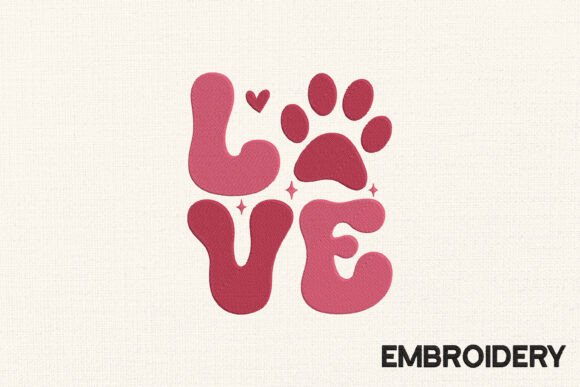
- Small lettering—especially if part of the word “Love”—may blur on textured towels or loosely woven fabrics. Use a medium-weight cutaway stabilizer to lock registration.
- Confirm hoop size compatibility. If your smallest hoop is 4x4”, ensure the design fits cleanly—or plan to split it thoughtfully for larger applications.
Design Assets That Build Brand Trust
What elevates Love Valentine Embroidery Design beyond a pretty motif is how it supports your handmade product story. It doesn’t shout—it invites. That makes it perfect for booth displays where subtlety builds credibility: a single embroidered tea towel folded beside a matching pouch, both featuring the same motif, tells customers you value cohesion and craftsmanship. It strengthens brand consistency across product lines, whether you’re selling wholesale to boutiques or direct-to-consumer at a holiday market.
It also encourages buyer engagement: people linger longer when design feels intentional, not incidental. I’ve watched shoppers pick up an embroidered cap, turn it over to see the back-stitch finish, then ask, “Do you have this on a tote?” That cross-product curiosity is gold—and Love Valentine Embroidery Design reliably sparks it.
Final Designer Checklist Before Production
Before you load your first commercial embroidery run, do this:
- Review all thread colors against your target fabric palette—not just white or black, but sage, blush, charcoal, and oatmeal.
- Compare spacing between elements: tight kerning may collapse on stretchy knits; generous spacing reads cleaner on coarse weaves.
- Create at least one real mockup—not digital only. See how light hits the stitches in morning vs. afternoon booth lighting.
- Double-check commercial licensing. If you’re selling finished goods (not just the file), confirm usage rights cover physical products, wholesale distribution, and online resale.
- Document your settings: stabilizer type, needle size, thread brand, and machine model. Reproducibility is the backbone of batch production.
In short: Love Valentine Embroidery Design isn’t just a seasonal stitch—it’s a thoughtful, scalable, and visually grounded asset for any serious embroidery business owner, handmade shop owner, or creative entrepreneur building a sustainable craft practice. It balances heart and hustle—and that’s exactly what sells at the table, online, and season after season.