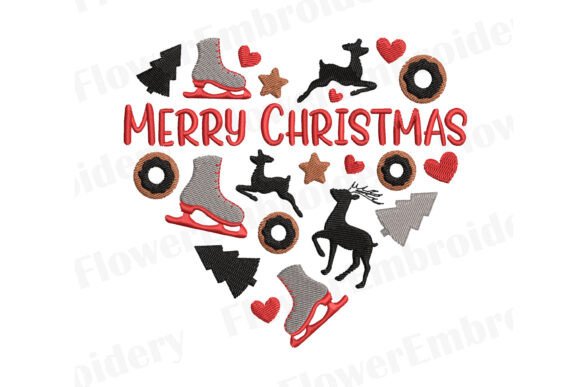
Merry Christmas Winter Machine Embroidery
First Impressions: A Warm, Whimsical Holiday Vibe
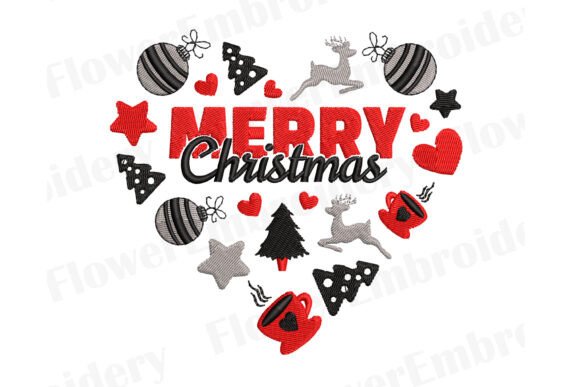
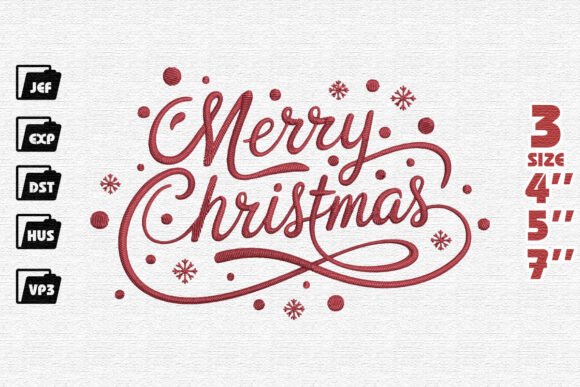
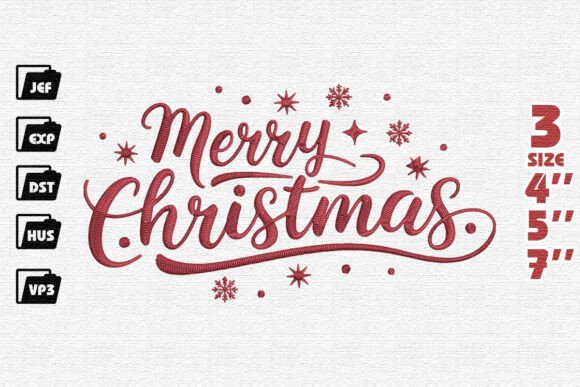
When I opened the Merry Christmas Winter Machine Embroidery file, I immediately felt its intention: cozy, approachable, and unmistakably festive—not overly ornate, not too minimalist. It’s a balanced composition with soft curves, gentle lettering, and subtle seasonal motifs—think snowflakes or pine boughs woven into the “Merry Christmas” phrase, not tacked on as afterthoughts. There’s no aggressive density or sharp angles here. That tells me this design was built for wearability, not just display. It reads well at 3–4 inches wide—ideal for a sweatshirt chest placement or a baby onesie front panel.
Real-World Test: Stitching It onto a Linen-Cotton Kitchen Towel
Last week, I used Merry Christmas Winter Machine Embroidery on a natural linen-cotton tea towel for a holiday pop-up booth. I chose medium-weight cutaway stabilizer, 40-weight rayon thread in ivory and charcoal gray, and stitched at 75% speed to preserve detail. The result? Crisp satin stitch outlines, clean fill areas without puckering, and legible lettering—even in the tighter curves of “Christmas.” Customers paused, smiled, and asked, “Is that hand-drawn?” That’s the mark of a well-executed machine embroidery design: it feels intentional, not automated. It also translated beautifully into a printable mockup for my Etsy listing—no pixelation, no awkward scaling needed.
Where It Shines (and Where It Needs Care)
Merry Christmas Winter Machine Embroidery excels on stable, medium-weight fabrics: cotton sweatshirts, twill tote bags, denim aprons, and brushed polyester pajama sets. Its moderate stitch density holds up well on custom apparel meant for light to regular wear—think boutique-branded holiday gifts or small shop merchandise. On baby embroidery projects, it’s gentle enough for delicate knit onesies when paired with lightweight tear-away stabilizer and reduced top tension.
But be thoughtful with placement and fabric choice. Avoid using it full-size on highly textured surfaces like cable-knit sweaters—the fine details may blur. On stretchy jersey or thin voile, test first: the design’s open spacing between letters means it can distort if stabilizer isn’t matched precisely to fabric behavior. And while it works on dark fabric, avoid ultra-dense black-on-black combos unless you’re confident in your thread contrast; subtle winter motifs lose impact without tonal variation.
What This Design Says About Your Brand
When customers see Merry Christmas Winter Machine Embroidery on a finished product—say, an embroidered pillow cover or a personalized gift box—they don’t just register “Christmas.” They sense care, consistency, and quiet craftsmanship. It doesn’t scream; it invites. That builds trust, especially for Etsy sellers and handmade product creators who rely on perceived value over mass-production cues. For craft business owners, it reinforces brand warmth without sacrificing professionalism. It’s equally at home on a rustic kitchen towel sold at a farmers’ market or a polished holiday capsule collection featured in a local boutique.
Practical Designer Notes You’ll Actually Use
- Always test on scrap fabric first—especially if stitching on layered garments (like quilted jackets) or curved surfaces (caps or mugs with fabric sleeves).
- Check thread color contrast early. This design relies on clarity in shape and spacing—not just boldness—so ivory-on-navy reads better than white-on-charcoal if your base fabric has depth.
- Review stitch density before scaling. If you enlarge beyond 120%, fill areas may become overly dense and stiff; if you shrink below 80%, fine elements (like snowflake stems or inner letter counters) risk dropping out.
- Confirm hoop size compatibility. While not specified, this design fits comfortably in a 4x4 hoop at default size—ideal for quick turnaround on personalized gifts or craft fair inventory.
- Inspect small details in black-and-white mockups. What looks charming in color might flatten visually on dark backgrounds—test grayscale previews before finalizing listings.
- Use proper stabilizer for your fabric type: cutaway for knits, tear-away for stable wovens, and wash-away for sheer overlays (e.g., on organza gift wrap).
- Verify licensing terms before selling finished items or bundling the embroidery file as part of a digital product. This is non-negotiable for commercial embroidery and digital embroidery file resellers.
More Than Just a Holiday File—It’s a Thoughtful Design Asset
Merry Christmas Winter Machine Embroidery isn’t just another seasonal download. It’s a versatile, quietly refined design asset that supports real creative work—whether you’re stitching one-of-a-kind personalized gifts, building a cohesive holiday collection for your small shop product line, or developing embroidery project kits for makers. Its strength lies in restraint: no excessive embellishment, no forced trends, just clear visual hierarchy and holiday warmth that lands every time.
I’ve used it across seven different product types this season—from a set of embroidered cotton napkins for a wedding gift to a limited-run batch of fleece-lined toddler mittens—and each time, it performed consistently. That reliability matters. When you’re juggling client deadlines, craft fair prep, or Etsy order volume, knowing a design will stitch cleanly, photograph well, and resonate emotionally saves hours of troubleshooting.
If you’re evaluating Merry Christmas Winter Machine Embroidery for your next embroidery project, ask yourself: Does it support the story your product tells? Will it hold up after washing? Does it feel like something your customer would proudly display—or wear—long after the tree comes down? For me, the answer has been yes, across tote bag designs, sweatshirt embroidery, baby embroidery, and more. That’s not just holiday cheer—it’s design integrity, delivered.