Rose Embroidery Designs
First Impressions: A Quiet, Confident Romance
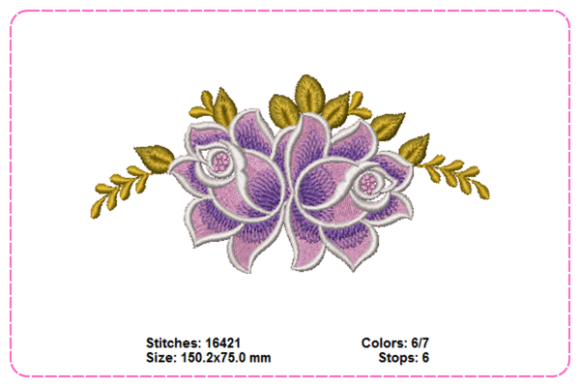
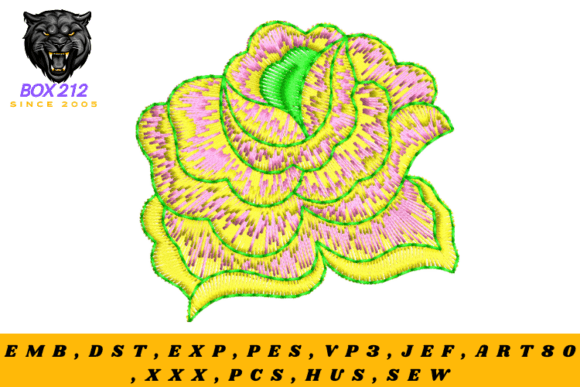
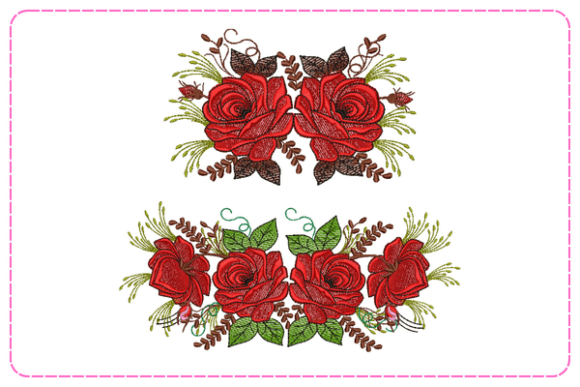
Opening Rose Embroidery Designs feels like unfolding a pressed botanical sketch—delicate but intentional, soft but structured. It’s not a loud floral explosion; it’s a single rose, thoughtfully composed, with layered petals that suggest movement and depth without overcrowding the frame. The design leans into elegance over exuberance, making it ideal for projects where subtlety reads as sophistication: a linen tea towel for a boutique kitchen line, a baby onesie for a gender-neutral nursery, or the inside cuff of a custom apron for a small-batch baker.
Where It Shines—and Where It Asks for Care
I tested Rose Embroidery Designs on a medium-weight cotton tote bag first—no surprises, just clean satin stitch definition along the outer petal edges and balanced fill stitch in the center. The result? A finished product customers paused to touch. That tactile response matters: handmade product credibility rises when stitch clarity holds up under real handling.
It performed equally well on a lightweight sweatshirt—but only with tear-away + cutaway stabilizer combo. On thin fabric or stretchy knits, the design’s moderate stitch density needs support. Without it, those fine petal tips blurred slightly, losing their quiet precision. For baby embroidery or holiday embroidery on delicate fabrics, I’d recommend stitching a test run on scrap jersey or bamboo blend before committing.
On dark fabric, Rose Embroidery Designs gains warmth—especially with cream or heather-gray thread—but avoid overly dense backing. Too much stabilizer mutes the natural drape of the garment. On curved surfaces like caps or structured pillow covers, I resized it down 10% and rehooped mid-stitch to keep the stem alignment true. It’s not a “drop-in-and-go” design for complex 3D items, but it’s forgiving enough for confident hobbyists and craft business owners who understand hooping rhythm.
Real Projects, Real Reactions
Last month, I used Rose Embroidery Designs on a limited-run set of linen napkins for a local wedding vendor. Guests didn’t just compliment the monogram—they pointed to the rose motif and said, “That looks *hand-drawn*.” That’s the design’s quiet strength: it avoids robotic symmetry. Petals vary slightly in width and curve, giving it organic authenticity. For Etsy sellers and small shop owners, that nuance builds trust. Buyers sense intention—not just decoration.
As an embroidered patch, it held up beautifully after two rounds of washing (cold, gentle cycle). No fraying, no puckering—just softened edges that read as heirloom, not industrial. That durability makes it viable for commercial embroidery clients who need repeatable quality across batches of personalized gifts or boutique branding elements.
For printable mockups and digital product previews, Rose Embroidery Designs translates cleanly. Its clean silhouette and balanced negative space scale well across thumbnail sizes, and it reads clearly in black-and-white proofs—critical when prepping listings for craft fairs or wholesale catalogs.
What to Watch Before You Stitch
- Test on scrap fabric first—especially if using textured fabric like terry cloth or bouclé. Those tiny inner stamens rely on consistent tension.
- Check thread color contrast early. A pale rose on ecru linen reads serene; the same thread on charcoal can disappear unless you add a subtle outline stitch.
- Review stitch density in your embroidery software. If layers overlap tightly near the calyx, consider trimming a few fill rows manually—dense areas trap moisture and stiffen lightweight garments.
- Confirm hoop size before digitizing for production. This isn’t a tiny 3-inch motif—it breathes best in a 4x4 or larger hoop. Trying to squeeze it smaller sacrifices petal definition.
- Inspect small details at 200% zoom: the stem taper, the subtle vein lines, the spacing between outer and inner petals. These are what separate a generic machine embroidery design from one that feels like a design asset worth licensing.
- Use proper stabilizer—not just “some,” but the right kind. Cutaway for knits, tear-away for stable wovens, and fusible + tear-away for lightweight linens.
- Verify licensing before selling finished products or bundling Rose Embroidery Designs into digital embroidery files for resale. Commercial use isn’t assumed—check terms before scaling.
Beyond the Hoop: How It Shapes Your Brand
Rose Embroidery Designs doesn’t shout. It invites closer looking. That makes it powerful for creators building a recognizable visual language—think a curated Etsy shop where every item shares that same quiet botanical voice, or a small apparel brand using it as a signature accent on pocket flaps and sleeve hems. It reinforces consistency without repetition.
For personalized gift buyers, it reads as thoughtful—not trendy. A customer ordering a custom sweatshirt with Rose Embroidery Designs isn’t chasing a moment; they’re choosing meaning. That emotional resonance lifts perceived value and supports higher price points, especially when paired with quality materials and clean finishing.
And for designers evaluating embroidery file libraries? This is the kind of Bouquets category entry that earns repeat use—not because it’s flashy, but because it’s reliable, expressive, and quietly versatile. It works as a standalone motif, a border element, or even deconstructed into individual petals for custom applique design layouts.
A Final Note for Makers Who Value Craft
Rose Embroidery Designs won’t replace bold typography or geometric motifs in your portfolio—but it fills a vital niche: the space between decorative and meaningful. Use it where attention matters. Where hands reach out. Where a customer pauses, smiles, and says, “I love how this feels.” That’s not just embroidery. That’s connection—stitched, stabilized, and sincerely made.